

SERVICES
LEADERSHIP & RESILIENCE
Leadership Development: Sustainable formats for strengthening mental stability and effective leadership under pressure.
STARTING POINT
Leadership today means operating under constant pressure, shaped by high pace, significant responsibility and multiple competing demands. Conflicts, absences and mental exhaustion are increasing. Without clear focus and reliable routines, leadership becomes reactive and loses impact.
OUTCOMES
- Clarity, calm and effective action under pressure
- Communication that provides orientation
- Leadership that enables performance and protects health
FORMATS
- Compact Online Format: 2 × 3.5 hours on two consecutive days (morning or afternoon, online)
- Two-Day Format: Foundations, deepening and application (on-site or online)
- Multi-Stage Programme: 3–12 modules over several months (on-site or online)
ADDITIONAL SERVICES
-
Individual process consulting and design of tailored programmes
- Needs assessment and ongoing evaluation of measures
- Long-term support for change processes
Projects & Impact

Multi-Stage Resilience and Leadership Programme in Aerospace
VIEW PROJECT DETAILS
In an international aerospace company characterised by high project density, safety-critical development processes and parallel reorganisation phases, stress-related absences increasingly affected both leaders and employees. Sick leave, burnout risks and rising turnover among highly qualified specialists made it clear that the existing leadership and workload culture had reached its limits.
The objective was to systematically qualify leaders in resilience, stress regulation and health-promoting leadership, while also strengthening their confidence in both communication and action when dealing with employees under strain.
Over a period of around three years, a structured qualification format was delivered, consisting of foundation and advanced workshops as well as in-depth micro trainings. Key topics included resilience and stress regulation, strain-sensitive communication, motivation under high pressure conditions, principles of health-promoting and transformational leadership, as well as best practice models and metrics for psychological health in the organisation.
The format addressed almost all leadership levels and was established as a mandatory element of leadership development.
OUTCOMES
-
Noticeably improved stress regulation and mental stability among leaders
- Greater confidence in both communication and action when dealing with employees under strain
-
Reduced uncertainty in handling psychologically demanding situations
- Stronger sensitivity to signs of strain within teams

Modular Leadership Programme in a Clinical Setting
VIEW PROJECT DETAILS
As part of the implementation of a new leadership framework, a structured development programme was designed for specialist physicians and nurses in leadership roles at a general hospital. Day to day clinical work was shaped by work intensification, staff shortages and demanding team dynamics.
The aim was to embed health-conscious leadership principles in a sustainable way and to strengthen professional communication and decision making under pressure.
The staged qualification format comprised several modules delivered over an extended period. Topics included resilience, motivational leadership, systemic communication, strain regulation and the development of internal multipliers to support long term implementation within the hospital.
OUTCOMES
- Stable implementation of the leadership framework
-
Greater confidence in communication within teams under strain
- Sustainable competence development through internal multipliers
- Sustainable integration of health-conscious leadership routines into everyday clinical practice
HEALTH & PERFORMANCE
Keynote talks, workshops and programmes for resilience, mental stability and sustainable performance in organisations.
STARTING POINT
Psychological strain now affects almost every organisation: high pace, digital overload, staff shortages and constant pressure. Many measures remain too general or too theoretical. What matters are concrete, trainable skills and routines that have a noticeable effect in everyday work.
OUTCOMES
- Mental stability and confident self-regulation under pressure
- Cognitive flexibility and improved problem-solving and decision-making
- More energy, presence and mental orientation in everyday work
FORMATS
- Keynote: 60–90 minutes (on-site or online)
- Compact online format: 3 hours (online)
- Workshop: 1 day or 2 days (on-site or online)
- Multi-stage programme: 4–16 weeks (on-site or online)
- Long-term support programmes: 3–12 months (with variable number and intensity of modules)
- Corporate health, leadership or resilience campaign (on-site)
ADDITIONAL SERVICES
-
Individual process consulting and design of tailored programmes
- Needs assessment and ongoing evaluation of measures
- Long-term support for change processes
Projects & Impact
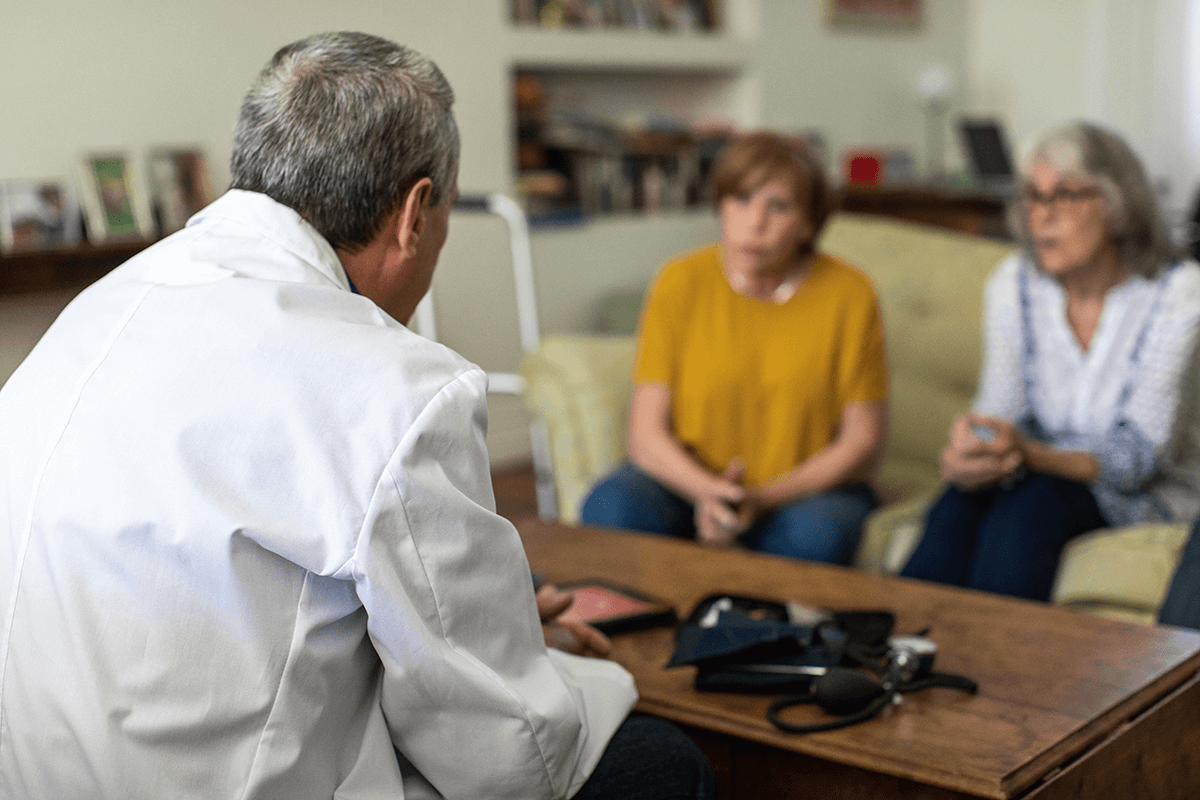
Resilience Programme for Physician and Nursing Assessors
VIEW PROJECT DETAILS
In a medical assessment setting with a large case volume, demanding decision processes and conflict prone conversations, physician and nursing assessors were exposed to sustained cognitive and emotional pressure. Alongside their professional expertise, they needed the ability to act with clarity, professionalism and self-regulation, even in disputed or emotionally demanding situations.
The aim was to systematically strengthen mental stability in day-to-day work, help participants recognise stress responses at an early stage and consolidate professional communication under conditions of high responsibility.
Across several programme cycles, structured training formats were delivered to develop self-regulation, cognitive flexibility and practical routines for dealing with stress. In addition, case situations from assessment practice with a high strain potential were reflected on and translated into concrete principles for action.
OUTCOMES
- More stable handling of large case volumes and decision pressure
- More confident communication in conflict prone situations
- Greater sensitivity to personal signs of strain
- Sustainable transfer into day-to-day assessment practice
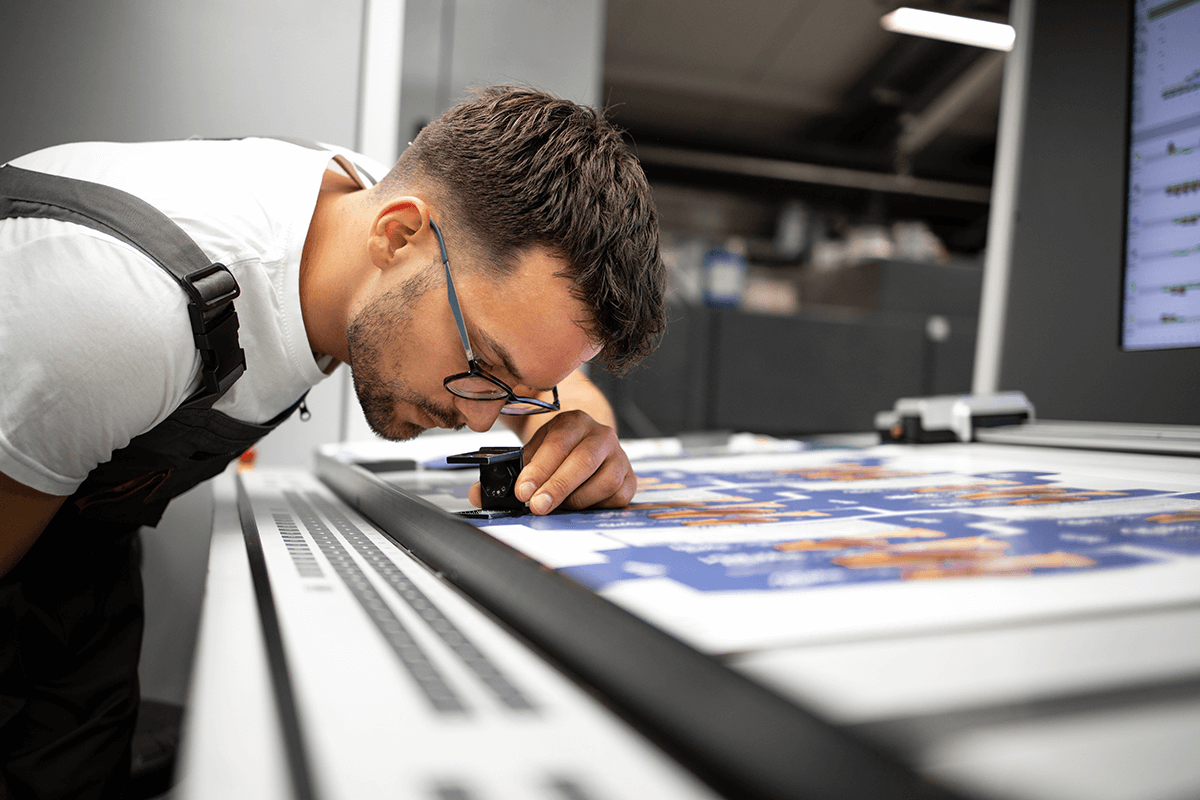
Process Optimisation in High Security Production
VIEW PROJECT DETAILS
In the quality assurance department of a production facility for highly sensitive security papers, costly errors and returns occurred repeatedly. The analysis revealed concentration drops during shift work, ergonomic strain at key inspection stations and friction caused by inconsistent handovers and unclear responsibilities between shifts.
The aim was to reduce error rates and returns on a sustainable basis, improve concentration at critical inspection stations and establish transparent and reliable shift handovers.
PRO Presence conducted a structured process analysis along the performance chain, optimised workplace and workflow design at the critical stations and implemented a binding handover protocol. In addition, short and practical routines were introduced to stabilise focus and self-regulation in the shift context, supported by moderated clarification of roles and responsibilities.
OUTCOMES
- Significant reduction in operational errors and related costs
- Improved shift handovers and greater transparency in the work process
- More stable concentration during periods of high strain
- Increased productivity through optimised working conditions and reduced social stress
- Markedly improved team climate through clearly defined responsibilities
EFFECTIVE ACTION IN CRITICAL SITUATIONS
Safety competence: on-site training for professional action in threatening situations.
STARTING POINT
Employees in front-office and field roles are increasingly confronted with aggressive behaviour, threats and even physical assaults. Clear principles for action, team agreements and confidence in communication are often lacking. Realistic training develops the routines needed to build confidence and effective action under pressure.
OUTCOMES
- Improved situational awareness and earlier hazard recognition
- Confident handling of aggressive and boundary-crossing behaviour
- Targeted emergency communication and reliable alerting
- Self-defence and coordinated team action in threatening situations
FORMATS
- All formats are delivered on-site.
- Foundation training (2 days) as a basic qualification
- Scenario training in the workplace (several units of 3 hours each): practical transfer graduated by escalation level
- Refresher & advanced training: regular modules for consolidation and deepening, including more demanding situations
- Quarterly programme: ongoing support with 4 training days per year
- Long-term support programmes: 6–18 months with regular practical modules and continuous individual adjustment
ADDITIONAL SERVICES
-
Individual process consulting and design of tailored programmes
- Needs assessment and ongoing evaluation of measures
- Long-term support for change processes
Projects & Impact

Multi-Year Safety Qualification and Process Consulting in a Public Authority
VIEW PROJECT DETAILS
In a public authority with intensive contact with citizens (including immigration and asylum matters, youth and social services), aggressive and boundary-crossing behaviour as well as acute threat situations occurred repeatedly. Both public-facing areas and field assignments were affected. The central challenge was to increase confidence in day-to-day action systematically, recognise escalation at an early stage and act clearly, in a coordinated way and in a legally sound manner in critical situations.
At the outset, a structured review of the security organisation was carried out. Among other things, access regulations, alerting routes, responsibilities and time-critical procedures were reviewed and refined, including realistic response times by police or security services, as well as access routes to different areas of the building in an emergency.
On this basis, foundation trainings and ongoing scenario trainings were conducted over an extended period. The focus was on situational awareness, emergency communication and alerting, self-protection, assistance to others and coordinated team action, each adapted to typical situations in office-based and field operations.
In addition, tactical walkthroughs of work areas, administrative premises and field locations took place (including home visits and asylum accommodation). Escape and retreat options, sight lines, communication routes and spatial bottlenecks were examined. Based on these walkthroughs, infrastructural adjustments were derived and implemented to further improve processes, safety and response capability in day-to-day work and in emergencies.
OUTCOMES
- Markedly greater confidence in critical situations, individually and as a team
- Noticeably stronger sense of security through clear routines and coordinated procedures
- More professional conduct and therefore better prevention of escalation
- More reliable alerting and improved cooperation with police and security services
- Greater calm and clarity in day-to-day processes through clearly defined responsibilities and procedures